The Importance of Massage Therapy in Modern Life
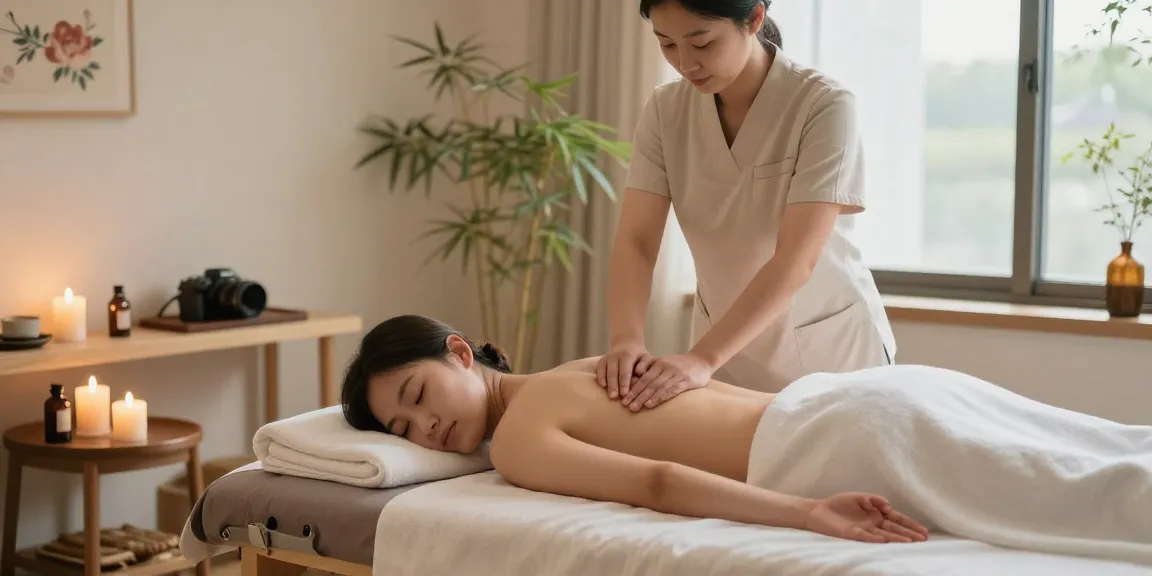
In our fast-paced modern world, finding moments of relaxation and stress relief is crucial for maintaining overall well-being. Massage therapy has emerged as a popular solution to combat the physical and mental strain that accompanies daily life. With its rich history and proven benefits, massage therapy serves not only as a means of relaxation but also as a holistic approach to health care, addressing both body and mind. For those in search of effective therapeutic options, 김포출장안마 can provide valuable resources and skilled practitioners dedicated to enhancing your relaxation experience.
Understanding the Benefits of Massage Therapy
Massage therapy offers a plethora of benefits that extend beyond mere relaxation. Studies have consistently demonstrated that regular massage sessions can lead to improved circulation, enhanced muscle flexibility, and reduced pain levels. Beyond physical benefits, many people experience significant mental and emotional relief through massage, leading to decreased anxiety and improved mood. These outcomes are supported by evidence-based research highlighting the physiological mechanisms through which massage influences the body, including the reduction of cortisol levels and the increase of serotonin and dopamine.
Common Health Issues Addressed by Massage
Massage therapy is effective in addressing a variety of health concerns, including:
- Chronic pain: Many individuals with chronic pain, such as back pain or arthritis, find relief through targeted massage techniques.
- Muscle tension: Tension in muscles can lead to discomfort and restricted movement; massage helps alleviate this tension.
- Headaches: Tension headaches and migraines can be significantly reduced with regular massage therapy.
- Stress relief: The calming effects of massage reduce stress and promote relaxation.
How Massage Therapy Supports Mental Wellness
Mental wellness is closely tied to physical health. The soothing nature of massage therapy not only helps relieve muscle tension but also fosters a profound sense of calm, contributing significantly to emotional well-being. Clients often report experiencing lower levels of anxiety, improved mood, and better sleep quality after massage sessions. This holistic aspect of massage therapy is vital in today’s society where mental health challenges are prevalent.
Exploring Different Types of Massage Techniques
Understanding the various massage techniques can help you choose the right type for your needs. Each method has its own benefits and applications, making it essential to be informed about what each entails.
Swedish Massage: Relaxation and Rejuvenation
Swedish massage is perhaps the most recognized form of massage therapy. It employs long strokes, kneading, and circular movements to promote relaxation and improve circulation. Ideal for newcomers to massage therapy, this technique is excellent for stress relief, aiding in both physical and mental rejuvenation.
Deep Tissue Massage: Relieving Chronic Tension
For those who suffer from chronic tension, deep tissue massage is particularly effective. This technique targets deeper layers of muscle and connective tissue, providing relief from chronic pain and tension that surface techniques may not address. It may involve more intense pressure and is recommended for individuals who are comfortable with a firmer touch.
Aromatherapy: Enhancing the Massage Experience
Aromatherapy can be integrated with various massage techniques to enhance relaxation and healing. Essential oils, chosen based on individual preferences and therapeutic needs, are used to stimulate emotional responses, promote relaxation, and improve overall well-being. The combination of fragrance and touch creates a powerful sensory experience that can significantly amplify the benefits of massage therapy.
Choosing the Right Massage Therapist
Selecting a qualified massage therapist is key to a beneficial experience. Various factors should be considered when making this important decision.
What to Look for in a Qualified Therapist
When seeking a massage therapist, consider their credentials, experience, and client reviews. Look for licensed professionals who have undergone extensive training in various techniques. Furthermore, a therapist's specialization can also impact their ability to meet specific health needs.
Questions to Ask Before Your Appointment
Before committing to a therapist, feel free to ask questions about their approach, techniques used, and what to expect during the session. Inquire about their experience with your particular condition or area of concern to ensure they are well-suited to meet your needs.
Understanding Different Therapist Specializations
Massage therapists often specialize in various techniques, including sports massage, prenatal massage, or medical massage. Understanding these specialties can help you choose a therapist who meets your specific needs effectively.
Creating a Relaxing Home Environment for Massage
While professional massage therapy offers incredible benefits, creating a tranquil home environment can enhance relaxation and provide ongoing relief between sessions.
Setting the Mood: Light, Sound, and Aroma
To create a calming atmosphere, pay attention to the lighting, sound, and aroma in your space. Soft, dim lighting can foster relaxation, while calming music or nature sounds can help soothe the mind. Aromatherapy with essential oils or candles can enhance the sensory experience and promote a serene environment.
Essential Tools and Products for Home Massage
Investing in some basic tools can elevate your home massage experience. Consider items such as massage balls, foam rollers, or handheld massagers for self-treatment. Additionally, use high-quality oils or lotions to facilitate smoother movements during massage.
Techniques to Incorporate for Self-Massage
Self-massage techniques such as kneading, tapping, or rubbing can be easily integrated into your routine. Learning basic techniques for areas like the neck, shoulders, and lower back can provide immediate relief from tension and stress.
Future Trends in Massage Therapy for 2026
As we look ahead to 2026, the massage therapy industry is set to evolve, incorporating advanced techniques and technologies to enhance client experience and outcomes.
Emerging Technologies in Relaxation Treatments
The integration of technology, such as virtual reality and biofeedback, is gaining momentum in the massage therapy field. These advancements can provide personalized experiences that cater to individual preferences and health requirements, potentially transforming the way clients engage with therapy.
Personalization of Massage Techniques
As understanding of individual health needs grows, the personalization of massage techniques will likely become more prevalent. Therapists may employ techniques tailored specifically to clients' unique physical and emotional responses, optimizing the therapeutic benefits.
What to Expect in Massage Therapy Innovations
Anticipate innovations in training methods for therapists, including enhanced certifications in emerging techniques and a deeper focus on evidence-based practices. The industry is evolving toward more comprehensive approaches that integrate the latest research in wellness and healing.
Can Massage Therapy Help with Chronic Illness?
Numerous studies suggest that massage therapy can play a significant role in managing chronic illnesses. Conditions such as fibromyalgia, arthritis, and even cancer can benefit from regular therapeutic sessions, offering symptom relief and improving quality of life. Collaboration between healthcare providers and massage therapists is key to integrating this practice into treatment plans.
What are the Best Times for a Massage Appointment?
The timing of a massage appointment can significantly influence its effectiveness. Many find early morning or late afternoon sessions ideal, as they can provide a calming start or a peaceful end to a busy day. It’s also essential to choose times when stress levels are highest to maximize the benefits of relaxation.
Are There Risks Associated with Massage Therapy?
While generally safe, massage therapy is not without risks. Individuals with certain medical conditions, such as blood clots or infectious diseases, should consult with healthcare providers before receiving massage therapy. It’s crucial to communicate openly with your therapist regarding any medical history or concerns.
How Often Should You Get a Massage?
The frequency of massage therapy varies based on individual needs and goals. For general wellness, a monthly session may suffice, while those with chronic pain or stress may benefit from weekly or bi-weekly appointments. Establishing a routine can help optimize the benefits of massage therapy.
What Should You Wear to a Massage Session?
Comfort is paramount when it comes to clothing for a massage session. Generally, loose-fitting attire is recommended, as tight clothing can restrict movement and impede relaxation. Many spas provide the option to change into a robe or disposable garments for added comfort.