
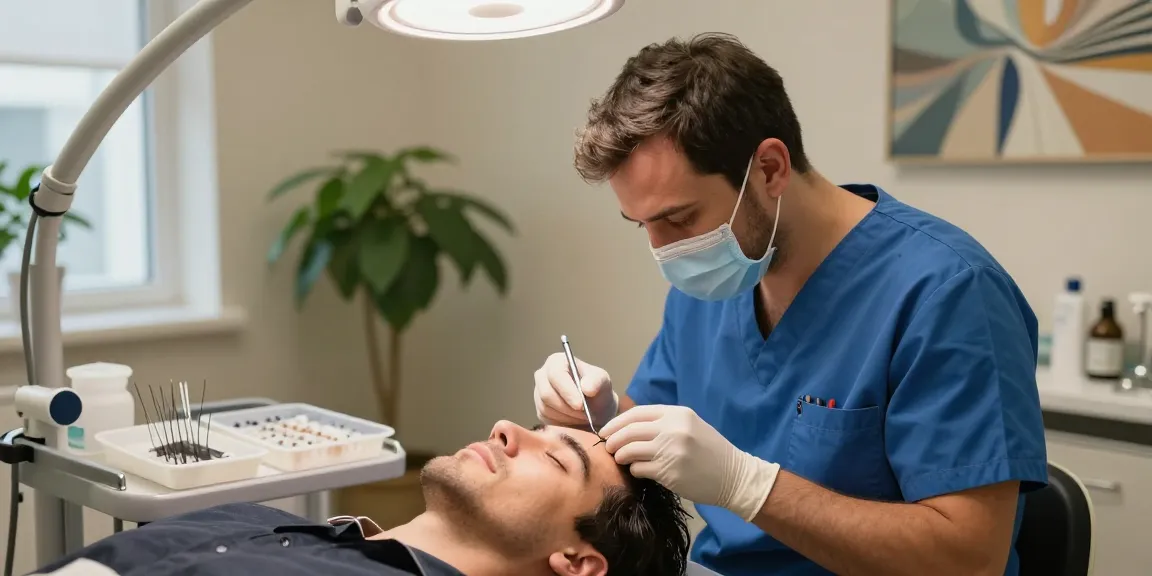
Understanding Hair Transplant Options in Turkey
Turkey has emerged as a global leader in hair transplants, known for its advanced medical infrastructure and highly skilled professionals. The country attracts thousands of international patients every year, seeking effective solutions for hair loss. It's essential to understand the various options available and the factors that influence hair transplant turkey cost to make an informed decision.
Types of Hair Transplant Methods Available
When considering a hair transplant in Turkey, you will encounter various methods, each with its own unique advantages. The most common techniques include:
- Follicular Unit Extraction (FUE): This method involves extracting individual hair follicles from the donor area and implanting them in the balding areas. It is minimally invasive and leaves no linear scar, making it a popular choice.
- Follicular Unit Transplantation (FUT): Also known as the strip method, FUT involves removing a strip of skin from the donor area, from which hair follicles are harvested. This method may result in a linear scar but can yield a larger number of grafts in a single session.
- Direct Hair Implantation (DHI): An advanced version of FUE, DHI employs a specialized tool to implant hair follicles directly into the recipient area, allowing for a more precise and controlled placement.
Benefits of Choosing Turkey for Hair Transplant
Turkey's appeal for hair transplant procedures extends beyond cost savings. Some notable benefits include:
- High-Quality Medical Services: Many clinics in Turkey are accredited by international health organizations, ensuring that they meet stringent medical standards.
- Experienced Surgeons: Turkish hair transplant surgeons often have extensive training and experience, often performing thousands of procedures annually.
- All-Inclusive Packages: Many clinics offer comprehensive packages that include accommodation, transfers, and even post-operative care, making the process hassle-free.
Factors Influencing Hair Transplant Turkey Cost
The cost of hair transplants in Turkey can vary significantly based on several factors:
- Technique Used: As mentioned, FUE, FUT, and DHI all differ in cost due to the complexity and time required.
- Number of Grafts: The total cost is often determined by the number of hair grafts needed, which varies depending on the extent of hair loss.
- Clinic Reputation: Established clinics with high success rates may charge more than newer or lesser-known facilities.
- Surgeon's Experience: The expertise of the surgeon can also affect the price, with more experienced professionals commanding higher fees.
Evaluating Hair Transplant Turkey Cost
Typical Price Ranges for Procedures
On average, the cost of a hair transplant in Turkey can range between $1,500 to $4,000, depending on the method and the number of grafts. For instance:
- FUE: Approximately $2,000 - $4,000 for 2,500 - 5,000 grafts.
- FUT: Generally less expensive, with prices starting around $1,500 for 2,000 grafts.
- DHI: Typically ranges from $3,000 - $5,000, given its precision and the technique's growing popularity.
Cost Comparisons: Turkey vs. Other Countries
When compared to countries like the United States, the UK, or Canada, Turkey offers significantly lower prices without compromising quality. For example:
- In the US, hair transplants can cost anywhere from $4,000 to $15,000 for similar graft amounts.
- The UK might charge between £4,000 and £10,000, depending on the clinic and technique.
This price differential is a primary reason so many patients opt for procedures in Turkey.
What’s Included in the Cost of Hair Transplant
When evaluating the cost of hair transplants, it's crucial to understand what is included:
- Consultation Fees: Initial consultations may or may not be included in the total price.
- Preoperative Tests: Blood tests and assessments are often part of the package.
- Post-Operative Care: Follow-up visits and any necessary medications should be accounted for in the initial cost.
- Accommodation and Transfer Costs: Many clinics provide these services as part of all-inclusive packages.
Preparing for Your Hair Transplant in Turkey
Important Pre-Procedure Considerations
Preparation is vital for a successful hair transplant experience. Consider the following:
- Medical Evaluation: Undergo a thorough evaluation to rule out any underlying health issues that may affect the procedure.
- Avoid Blood Thinners: Medications such as aspirin should be avoided prior to surgery to reduce the risk of bleeding.
- Smoking and Alcohol: Cease smoking and limit alcohol intake for a few weeks before the procedure to enhance recovery.
Travel and Accommodation Expenses
Traveling to Turkey for a hair transplant involves various expenses. Consider these points:
- Flight Costs: Prices vary depending on your departure location and the time of booking.
- Accommodation: Many clinics offer package deals including hotel stays, which can save funds and simplify logistics.
- Local Transportation: Budget for transfers between the airport, hotel, and clinic.
Choosing the Right Clinic and Surgeon
Selecting the right clinic and surgeon is critical to achieving satisfactory results. Keep these factors in mind:
- Research Clinic Reputation: Check reviews and testimonials from previous patients.
- Verify Credentials: Ensure that the surgeon is certified and has relevant experience in hair restoration procedures.
- Consultation Quality: Assess the thoroughness and professionalism of the consultation process.
Post-Procedure Care and Recovery
Understanding the Recovery Process
The recovery phase is essential for optimal results. Typical recovery includes:
- Initial Healing: Expect some redness and swelling for a few days post-procedure.
- Hair Shedding: It's normal for transplanted hair to shed before new growth begins within a few months.
- Follow-Up Appointments: Regular check-ins with your surgeon help monitor progress and address concerns.
Follow-up Treatments and Their Costs
Post-operative care may include additional treatments. Common follow-up treatments include:
- PRP Therapy: Platelet-rich plasma therapy can enhance hair growth and healing, typically costing around $300 per session.
- Medications: Topical solutions like Minoxidil may be recommended to promote growth.
Long-term Care for Hair Growth Success
To ensure lasting results post-surgery, consider these long-term care strategies:
- Healthy Diet: A balanced diet rich in vitamins and minerals supports hair health.
- Regular Scalp Care: Keep your scalp clean and hydrated to foster optimal growth conditions.
- Avoiding Stress: Managing stress levels can positively impact overall hair health.
Future Trends in Hair Transplantation
Innovations in Hair Transplant Technology
The field of hair restoration is continuously evolving. Emerging trends to watch include:
- Robotic Assistance: The integration of robotics in procedures like FUE aims to increase precision and reduce recovery times.
- Stem Cell Therapy: Research into stem cell applications may revolutionize hair restoration, offering new solutions for hair loss.
Predicted Changes in Pricing Structures
As technology advances and competition increases, the cost of hair transplants may further decrease. The trend towards transparency in pricing is likely to continue, allowing patients to better understand the costs before procedures.
Emerging Techniques and Their Implications
New techniques such as Biofibre hair implants and scalp micropigmentation are gaining popularity. These methods may provide alternative solutions for individuals not suitable for traditional hair transplants.
What Should You Expect in 2026?
By 2026, we can anticipate even more innovative solutions for hair restoration, along with potential shifts in cost. As more patients turn to Turkey for affordable and high-quality procedures, the industry might see enhanced competition that could lead to additional price reductions.
Frequently Asked Questions
How effective are hair transplants?
Hair transplants are generally very effective, with a high success rate. Most patients see substantial improvement in hair growth within 6 to 12 months following the procedure.
What are the risks associated with hair transplants?
While hair transplants are safe, potential risks include infection, scarring, and unnatural-looking results if not performed by a skilled surgeon.
How to choose the best clinic in Turkey?
Choosing the best clinic involves researching reviews, assessing the qualifications of the surgeons, and looking for clinics with international accreditations.
Are there financing options available?
Many Turkish clinics offer financing plans or payment options to help patients manage the cost of procedures.
What results can I expect after a hair transplant?
Patients can expect natural-looking results with significant hair growth, but full results typically take up to a year to be visible.