
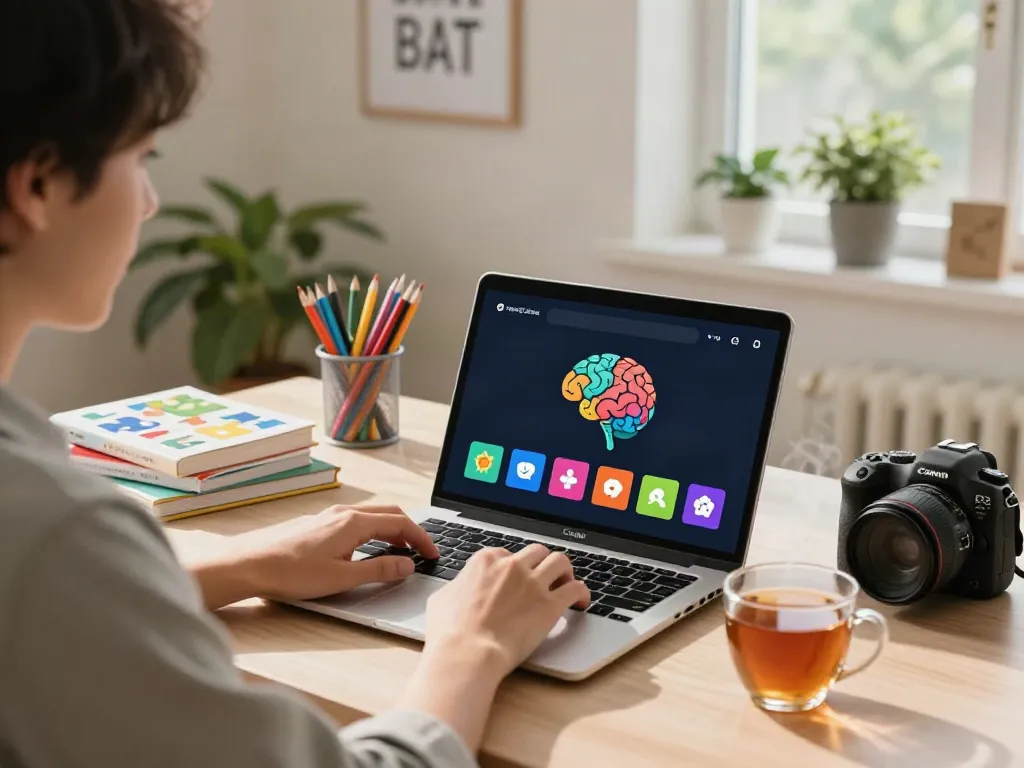
Understanding the Importance of Brain Training
In an era where cognitive health is increasingly prioritized, brain training has emerged as a vital tool for individuals seeking to enhance their mental acuity. Engaging in brain games not only helps in maintaining sharpness but also offers pathways to improve problem-solving skills and memory retention. The website brainslot.net provides a plethora of engaging brain training activities designed to stimulate cognitive functions, making it accessible for users of all ages.
What is Brain Training and Its Benefits?
Brain training refers to activities and exercises specifically designed to enhance cognitive functions such as memory, attention, and problem-solving abilities. Unlike traditional learning methods, brain training employs games and puzzles that challenge the brain and promote neuroplasticity—the process through which the brain adapts and reorganizes itself. Some of the key benefits include:
- Improved Memory: Regular engagement in cognitive games can lead to significant improvements in memory recall.
- Increased Focus: Brain training enhances concentration and attention span, which are crucial in both personal and professional settings.
- Enhanced Problem-Solving Skills: Puzzles and strategy games foster critical thinking and creativity, essential for effective decision-making.
Common Misconceptions About Brain Games
Despite the growing popularity of brain training, misconceptions still persist. One prevalent myth is that brain games are only beneficial for the elderly or those suffering from cognitive decline. In reality, individuals of all ages can reap the rewards of brain training, as cognitive enhancement is beneficial at any stage of life. Additionally, some people believe that brain training can replace formal education; however, it is meant to complement traditional learning methods, not replace them.
The Science Behind Cognitive Improvement
Research in cognitive science has demonstrated that engaging in challenging mental activities triggers neurogenesis—the formation of new neurons in the brain. Studies have shown that consistent participation in brain games can lead to measurable improvements in cognitive functions. For instance, a study published in the journal Cognitive Psychology found that participants who engaged in regular brain training exhibited enhanced cognitive flexibility and better working memory. These findings underscore the importance of incorporating brain training into daily routines to promote lifelong cognitive health.
Exploring Brainslot.net's Unique Offerings
Brainslot.net stands out in the realm of brain training platforms by offering a diverse range of games and puzzles tailored to various cognitive skills. This section examines the unique features of Brainslot.net that make it a go-to destination for cognitive enhancement.
Overview of Games and Puzzles Available
The platform features an extensive library of brain games designed to challenge users' thinking and problem-solving abilities. Categories include:
- Memory Games: Activities that enhance recall and memory retention.
- Logic Puzzles: Games that test and improve logical reasoning skills.
- Word Games: Fun and engaging methods to expand vocabulary and language skills.
Each game on Brainslot.net is crafted to provide a balance between fun and cognitive challenge, ensuring that users remain engaged while training their brains.
Tailoring Activities to Different Skill Levels
One of the remarkable features of Brainslot.net is its adaptability to various skill levels. The platform offers games that cater to novices, intermediate users, and experts. By assessing users' performance, Brainslot.net can suggest suitable challenges that match their skill levels, thus fostering a sense of accomplishment and motivating continuous practice.
User Experience: Navigating the Platform
The user interface of Brainslot.net is designed with accessibility and ease of use in mind. With a clean layout and intuitive navigation, users can quickly find games that suit their interests and cognitive goals. Additionally, the platform incorporates visual and auditory cues to enhance the gaming experience, making it appealing to a broad audience.
Effective Strategies for Incorporating Brain Training into Daily Life
To maximize the benefits of brain training, integrating these activities into daily routines is essential. Here are some effective strategies that can help individuals establish a consistent practice:
Creating a Consistent Practice Routine
Consistency is key when it comes to brain training. Establishing a regular schedule—such as dedicating 15 to 30 minutes each day to brain games—can significantly enhance cognitive benefits. Setting reminders and using mobile apps can aid in developing and maintaining this routine over time.
Engaging Friends and Family in Brain Challenges
Making brain training a social activity can increase motivation and enjoyment. Organizing friendly competitions or collaborative problem-solving sessions with friends and family can foster a supportive environment while enhancing cognitive skills. This social aspect can make brain training more enjoyable and less of a chore.
Combining Brain Games with Other Learning Methods
Integrating brain games with traditional learning methods can enhance overall educational outcomes. For instance, using brain games to reinforce concepts learned in school or during professional training can lead to better retention and understanding. This approach ensures a well-rounded educational experience.
Measuring Success and Cognitive Gains
Tracking progress and evaluating cognitive gains from brain training is crucial for ensuring the effectiveness of the activities. Here are some methods to consider:
Tracking Progress: Tools and Techniques
Many brain training platforms, including Brainslot.net, offer built-in analytics to help users track their performance over time. Utilizing these tools allows users to identify areas of improvement and adjust their training strategies accordingly. Additionally, keeping a journal to record progress and personal insights can provide motivation and clarity on specific cognitive gains.
Setting Realistic Goals for Improvement
Establishing achievable goals, such as improving memory recall speed or successfully completing a certain number of puzzles per week, can provide motivation. By setting specific, measurable, attainable, relevant, and time-bound (SMART) goals, users can create a structured approach to their brain training regimen.
Real-Life Success Stories from Brainslot Users
Testimonials from users who have successfully improved their cognitive functions through Brainslot.net serve as powerful motivators. Many individuals report enhanced memory capabilities and improved problem-solving skills after consistent engagement with the platform's activities. Highlighting these success stories can inspire new users to embark on their brain training journeys.
Future Trends in Brain Training (2026 and Beyond)
The landscape of brain training is evolving, influenced by technological advancements and changing user needs. This section discusses potential trends that may shape the future of cognitive enhancement.
Technological Innovations Impacting Brain Games
Emerging technologies, such as virtual reality (VR) and artificial intelligence (AI), are poised to revolutionize brain training. VR can create immersive environments that enhance user engagement in cognitive tasks, while AI can personalize training programs to adapt to individual learning styles and paces.
Predictions for the Evolution of Brain Training
As research in cognitive science continues to advance, brain training programs are expected to become more sophisticated. Future offerings may include gamified learning ecosystems that blend entertainment with cognitive challenges, catering to diverse learning preferences while enhancing overall brain health.
How Brainslot.net Plans to Adapt and Grow
In response to the evolving landscape of brain training, Brainslot.net aims to update its offerings regularly, incorporating user feedback and leveraging new technologies. This commitment to innovation and user-centered design will ensure that the platform remains a leader in the cognitive training space for years to come.
What are the benefits of brain training?
Engaging in brain training can improve cognitive functions, enhance memory, and foster problem-solving skills, making it essential for maintaining brain health.
How often should I engage with brain games?
Aiming for 15 to 30 minutes of brain training daily can yield significant cognitive benefits over time.
Are brain games effective for all ages?
Yes, brain games can benefit individuals of all ages, from children to seniors, by strengthening cognitive abilities and promoting mental agility.
What types of puzzles should I start with?
Starting with simple memory and logic puzzles can help build foundational skills before advancing to more challenging games.
Can brain training help improve memory?
Absolutely, consistent engagement in brain training activities has been shown to enhance memory retention and recall.