
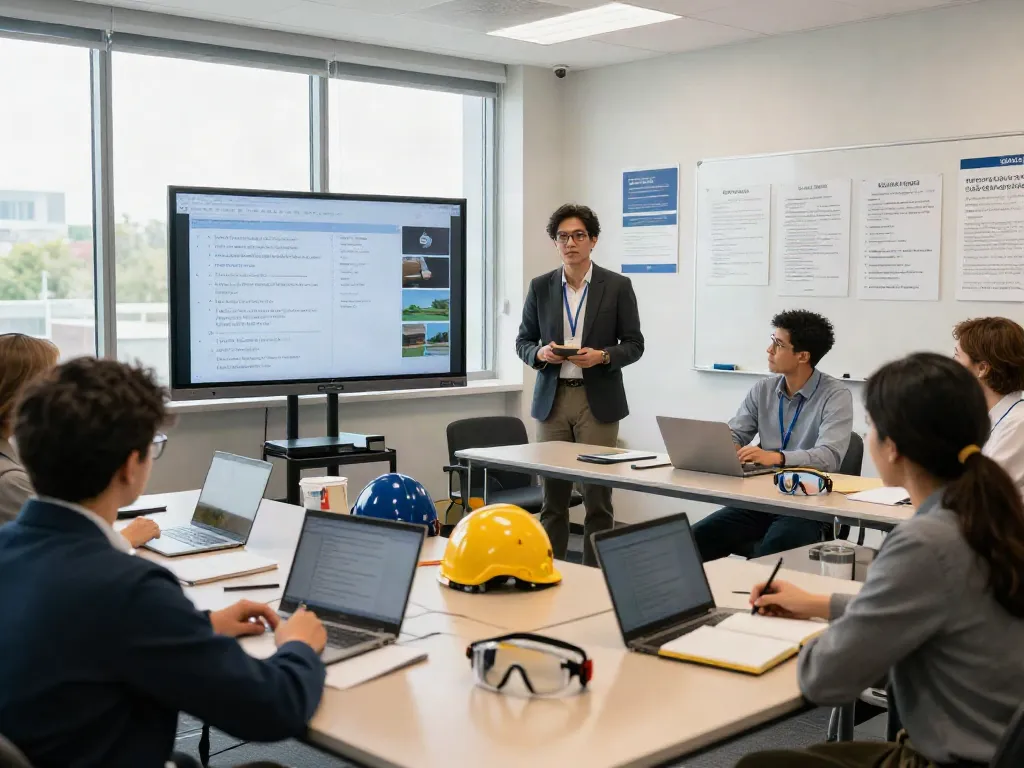
Understanding Health and Safety Training in Saudi Arabia
Health and Safety Environment (HSE) training has emerged as a pivotal component in ensuring workplace safety and regulatory compliance across various industries in Saudi Arabia. With the rapid growth of sectors such as oil and gas, construction, and manufacturing, the demand for skilled professionals equipped with proper health and safety credentials has never been higher. Comprehensive training not only helps organizations adhere to national regulations but also fosters a culture of safety that can significantly reduce workplace incidents. When exploring options, Training Institute Saudi Arabia provides comprehensive insights into the necessary qualifications and certifications essential for career advancement in this crucial field.
Importance of HSE Training for Professionals
The importance of HSE training cannot be overstated, especially in a country like Saudi Arabia, where safety regulations are under continuous evolution to align with international standards. Investing in HSE training equips professionals with the knowledge and skills to identify potential hazards, implement safety measures, and manage emergency situations effectively. By fostering a safe working environment, organizations not only comply with legal obligations but also enhance employee morale and productivity.
Key Regulations and Standards in Saudi Arabia
Saudi Arabia has established numerous regulations and standards governing workplace safety, primarily enforced by the Ministry of Human Resources and Social Development. Key regulations include the Occupational Safety and Health Administration (OSHA) standards, which are being adopted to enhance the overall safety framework in various industries. Understanding these regulations is critical for professionals involved in HSE as it allows them to align their organizations with not only local but also international best practices.
The Role of Training Institutes in Skill Development
Training institutes play a vital role in bridging the skills gap in the workforce. They provide structured courses that enhance both theoretical knowledge and practical skills among professionals. Institutes like Burraq Consulting offer specialized programs aligned with international certifications such as those from the National Fire Protection Association (NFPA) and ProQual (UK), ensuring that learners are well-prepared to meet the demands of the industry.
Choosing the Right Training Institute in Saudi Arabia
Selecting a reputable training institute is crucial for individuals seeking HSE certifications. A good institute will not only offer relevant courses but also provide experienced trainers who can impart knowledge effectively. Furthermore, the offerings should include a mix of theoretical understanding and practical application to cater to diverse learning needs.
Criteria for Selecting an HSE Training Institute
When evaluating potential training institutes, consider the following criteria:
- Accreditation: Ensure the institute is recognized by relevant authorities and organizations.
- Course Offerings: Look for a comprehensive portfolio of courses that meet your specific needs.
- Instructor Expertise: Research the qualifications and experience of the trainers.
- Flexibility: Check if they offer various training formats such as online, on-site, or blended learning.
- Alumni Success: Investigate the success rate of past students and their career advancements post-training.
Top Certifications Offered by Leading Institutes
Leading training institutes in Saudi Arabia offer a plethora of certifications that cater to various aspects of health and safety. Some of the most sought-after certifications include:
- NVQ Level 6 Diploma in Occupational Health and Safety Practice
- ProQual Level 7 Diploma in Strategic Health and Safety Leadership and Management
- IOSH Managing Safely Certification
- CFPS Certification
- ASP and CSP Certifications
Comparing Training Programs and Schedules
It's essential to compare the programs offered by various institutes to find the one that best suits your needs. Look into factors such as course duration, content, delivery methods, and the time commitment required. Some institutes facilitate a more flexible schedule, allowing professionals to manage their studies alongside their work commitments.
Innovative Training Methods and Technologies
The landscape of education and training is continually evolving, with innovative methods enhancing the learners' experience. In HSE training, integrating technology and modern pedagogical approaches can significantly improve student engagement and knowledge retention.
The Impact of Blended Learning Approaches
Blended learning, which combines traditional face-to-face classroom experiences with online and digital instruction, has proven to be highly effective in HSE training. This method allows for interactive elements such as simulations and virtual assessments, enabling learners to apply their knowledge in a controlled environment.
Utilizing Online Platforms for On-Demand Learning
Online platforms provide the flexibility to learn at your own pace, making it easier for professionals to balance work and studies. This model is particularly beneficial for obtaining globally recognized certifications without the constraints of a rigid schedule. With the rise of web conferencing tools, live instruction is also more accessible than ever.
Interactive Learning Techniques in HSE Training
Incorporating interactive learning techniques—such as group discussions, role-playing scenarios, and scenario-based training—has been shown to enhance understanding and retention of safety practices. These methods promote active participation, allowing learners to internalize safety principles effectively.
Measuring the Effectiveness of HSE Training
To ensure training programs are meeting their objectives, it is critical to measure their effectiveness. By assessing both knowledge retention and real-world application of skills, institutes can refine their offerings and enhance learner outcomes.
Assessing Knowledge Retention and Skills Application
Knowledge assessments, including quizzes and practical tests, allow trainers to gauge how well participants have absorbed the material. Additionally, evaluating how students apply their skills in their workplaces offers insights into the real-world impact of the training.
Using Feedback to Improve Training Programs
Feedback from participants is invaluable when assessing the effectiveness of training programs. Surveys and direct feedback can uncover areas for improvement and highlight successful aspects of the curriculum. Implementing suggestions from participants can lead to continuously evolving training methodologies that better serve future cohorts.
Key Performance Indicators for Training Success
Establishing KPIs is crucial for quantifying the success of HSE training programs. Key indicators might include course completion rates, post-training safety incident reductions, and participant satisfaction scores. Monitoring these metrics helps institutes adapt and improve their training strategies.
Future Trends in Health and Safety Training in 2026 and Beyond
The future of HSE training is poised for transformation, driven by advancements in technology and changing workplace dynamics. Staying ahead of these trends is essential for both training providers and professionals looking to advance their careers.
Emerging Certifications and Industry Standards
As industries evolve, new certifications will likely emerge to address specific safety needs. Keeping an eye on these developments will allow professionals to maintain relevance in their field and ensure they are equipped with the latest knowledge and skills.
The Role of Technology in Future Training Initiatives
Technology will continue to shape HSE training, with augmented reality (AR) and virtual reality (VR) poised to become common tools for immersive learning experiences. These technologies can simulate hazardous environments, providing a safe space for learners to practice their skills.
Preparing for New Regulations and Challenges
As regulations evolve, professionals must be prepared to adapt. Continuous professional development and re-certification will become increasingly important. Organizations that prioritize ongoing training are likely to foster a safer working environment and remain compliant with changing standards.
What are the benefits of HSE training in Saudi Arabia?
HSE training in Saudi Arabia enhances workplace safety, reduces accidents, and ensures compliance with national regulations. By investing in training, organizations can create safer work environments, increase employee confidence, and foster a culture of safety.
How can I find accredited training institutes in Saudi Arabia?
Search for recognized training institutes through online platforms and industry associations. Ensure they provide accredited courses linked to established organizations such as the National Fire Protection Association (NFPA) or ProQual (UK).
What certifications are most recognized in the industry?
Certifications such as NVQ Level Diplomas in Occupational Health and Safety and IOSH Managing Safely are highly regarded across various sectors, making them essential for career advancement in HSE.
How does HSE training contribute to workplace safety?
HSE training educates professionals on identifying hazards, implementing safety protocols, and responding to emergencies. This knowledge significantly reduces the likelihood of workplace accidents and enhances overall safety culture.
What is the average duration of HSE training courses?
The duration of HSE training courses varies based on the certification. Typically, courses can range from a few days to several weeks, depending on the depth and rigor of the training program.