
Understanding DPF Regeneration
Diesel Particulate Filters (DPF) are essential components in modern diesel engines, designed to trap harmful soot and particulate matter produced during combustion. Over time, these filters can become clogged, making it necessary to perform dpf regeneration to maintain engine efficiency and reduce emissions. In this comprehensive guide, we will delve into the intricacies of DPF regeneration, exploring its importance, the types of regeneration, and the maintenance practices needed to ensure your vehicle operates optimally.
What is DPF Regeneration?
DPF regeneration is the process of cleaning the diesel particulate filter by burning off the accumulated soot. This can occur through various methods that either utilize the vehicle’s exhaust system or require external intervention. The primary goal of this regeneration is to ensure that the DPF remains functional and can continue to trap particulate matter effectively.
Types of DPF Regeneration: Passive vs. Active
There are two main types of DPF regeneration: passive and active. Understanding the differences can help vehicle owners determine the best maintenance strategies.
- Passive Regeneration: This process occurs when the vehicle operates at high temperatures, typically during long highway drives, allowing the soot to burn off naturally. It requires no additional input from the driver or the vehicle’s systems.
- Active Regeneration: In contrast, active regeneration is initiated by the engine control unit (ECU) when it detects that the DPF is becoming clogged. This method involves injecting extra fuel into the exhaust stream to raise the temperature and combust the soot. Active regeneration usually occurs during regular driving conditions but can also be prompted when needed.
Importance of DPF Maintenance for Diesel Engines
Proper DPF maintenance is crucial for several reasons. First, it helps in keeping the engine running efficiently, which directly influences fuel economy. A clogged DPF can lead to increased back pressure, causing the engine to work harder, thus consuming more fuel. Second, regular maintenance minimizes emissions, ensuring compliance with environmental regulations. Lastly, it can prevent costly repairs associated with DPF failure, which can lead to engine problems or even complete system failure.
Common Challenges Faced During DPF Regeneration
Symptoms of a Clogged DPF
Recognizing the symptoms of a clogged DPF can save vehicle owners time and money. Common signs include:
- Reduced engine power and performance, especially during acceleration.
- Increased fuel consumption.
- Frequent warning lights on the dashboard, often indicating a DPF issue.
- Strange sounds or vibrations coming from the exhaust system.
Frequently Encountered Misconceptions
There are several misconceptions surrounding DPF regeneration. One common myth is that DPF regeneration is not necessary if you mainly drive short distances. In reality, short trips can actually contribute to DPF clogging if the engine doesn’t reach the necessary temperatures for passive regeneration to occur.
Impact of Driving Conditions on DPF Performance
Driving conditions play a pivotal role in DPF performance. Frequent stop-and-go driving in urban areas can prevent the engine from reaching the higher temperatures needed for effective passive regeneration. Similarly, driving with heavy loads or towing can increase soot production, necessitating more frequent active regenerations. Understanding these dynamics can help drivers adjust their habits to promote better DPF health.
Best Practices for Effective DPF Regeneration
Preparing Your Vehicle for Regeneration
To prepare for effective DPF regeneration, ensure your vehicle is in good operating condition. Regular maintenance checks, including oil changes and air filter replacements, can improve engine efficiency and aid in proper regeneration processes. Additionally, keeping the fuel system clean can help facilitate consistent regeneration.
Using Diagnostic Tools for Optimal Results
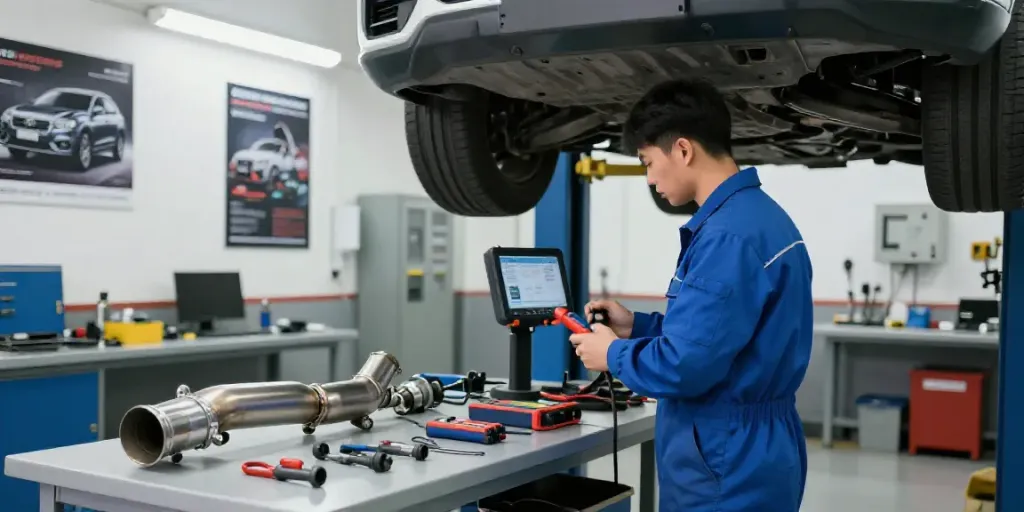
Utilizing diagnostic tools can significantly enhance DPF maintenance. Devices such as OBD-II scanners provide real-time data on the DPF’s condition, allowing for timely interventions before a clog becomes critical. Monitoring parameters like exhaust temperature and pressure can help pinpoint issues early.
How to Monitor DPF Health Regularly
Regular monitoring of DPF health involves checking for warning lights and understanding the vehicle’s regeneration cycle. Scheduling routine maintenance checks with a qualified technician will ensure that any potential problems are addressed before they escalate into costly repairs.
Diving Deeper: Advanced Regeneration Techniques
How to Perform Manual DPF Regeneration
In some cases, manual DPF regeneration may be required, especially if the DPF has become severely clogged. This process typically requires specialized tools and knowledge to safely perform. It often involves placing the vehicle in a specific mode that allows the regeneration process to commence under controlled conditions.
Latest Technologies in DPF Regeneration
Innovation in DPF technology is continually evolving. Recent advancements include improved filtration materials and the incorporation of sensors that provide feedback to the ECU, optimizing the regeneration process. Additionally, some systems now utilize enhanced fuel injection techniques to improve active regeneration efficiency.
Real-World Case Studies of DPF Success
Numerous case studies exist showcasing effective DPF regeneration practices. For example, a fleet management company implemented regular diagnostic checks and active training programs for drivers, significantly reducing DPF-related downtime and maintenance costs. Their approach highlights the importance of proactive maintenance in extending the life of diesel engines.
Future Trends in DPF Regeneration (2026 and Beyond)
Innovations in Diesel Engine Technology
The future of diesel engine technology is promising, with trends pointing towards hybrid systems that may require a different approach to DPF management. Innovations such as more efficient combustion processes and alternative fuels may reduce the soot generated, thus affecting how regeneration is performed.
Environmental Impacts and Regulations
As regulations surrounding emissions become stricter, the importance of effective DPF regeneration will only increase. Future policies may necessitate the integration of advanced filtration systems that are more efficient in removing particulate matter, thereby reducing the need for frequent regeneration.
Predictions for DPF Management Practices
Industry experts predict that routine DPF monitoring will become a standard practice among diesel vehicle owners. This may include the integration of smart technology that alerts drivers when regeneration is necessary, ensuring optimal performance and compliance with environmental standards.
How Long Does DPF Regeneration Take?
The duration of DPF regeneration can vary widely depending on the method being utilized. Passive regeneration can take place over a long drive, while active regeneration may take 10 to 30 minutes, depending on the vehicle’s system and operational conditions.
Can I Drive During DPF Regeneration?
Driving during active DPF regeneration is not only possible but often recommended. Doing so can help maintain the necessary exhaust temperatures for effective soot burning. However, it is essential to follow the manufacturer’s guidelines to ensure the process is safe and effective.
What Tools Are Best for DPF Maintenance?
Investing in quality diagnostic tools and maintenance equipment is key to effective DPF management. Hand-held diagnostic scanners, specialized cleaning solutions, and high-temperature resistant filters can enhance maintenance routines and ensure the longevity of the DPF system.