The Science Behind Celebrity Look-Alikes
The fascination with celebrity look-alikes has surged in recent years, driven by advances in technology and a universal desire to connect with famous figures. This phenomenon has transformed from merely a playful curiosity into a full-blown cultural trend, fueled by the rapid evolution of artificial intelligence and facial recognition technologies. When exploring options, look like celebrities applications are at the forefront of this trend, enabling users to instantly find their celebrity doppelgängers with just a photo upload.
Understanding Facial Recognition Technology
Facial recognition technology is the backbone of celebrity look-alike applications. This technology works by analyzing the unique features of a person's face—such as the distance between the eyes, the shape of the jaw, and the contours of the cheeks—and comparing them to a vast database of celebrity images. The algorithms employed in these applications can quickly calculate similarity scores, facilitating quick matches between users and celebrities.
How Apps Match Users with Celebrities
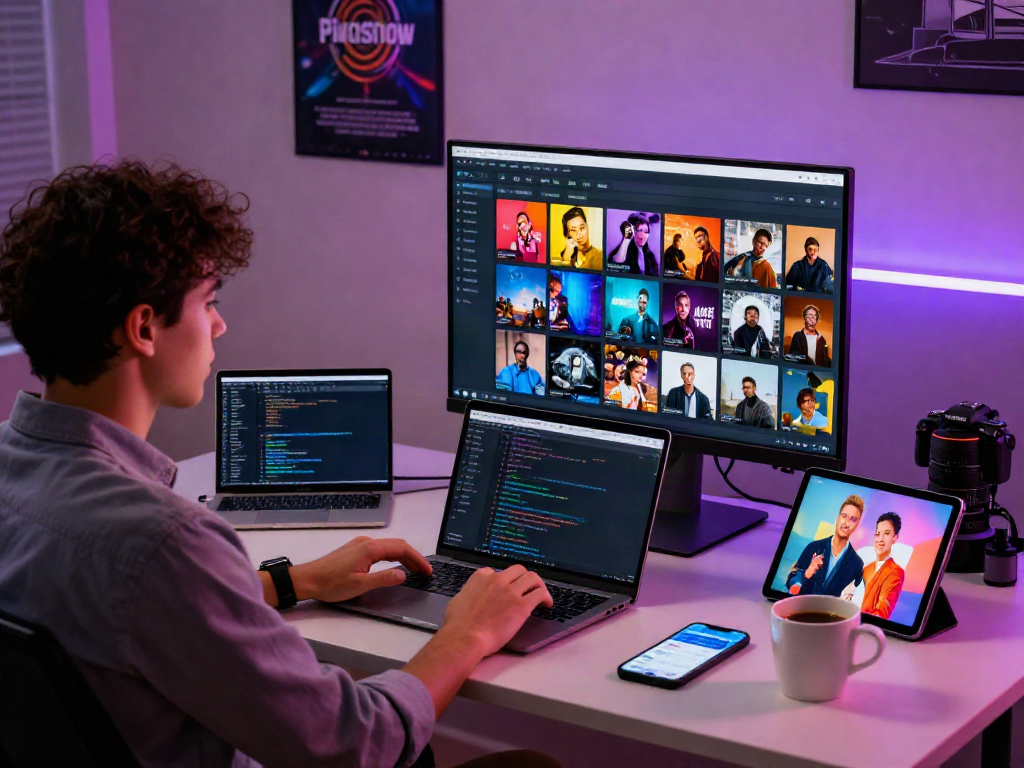
Most look-alike applications utilize a multi-step process to deliver results. Users typically start by uploading a clear photograph of themselves. The application then detects facial landmarks and proportions. Following this, the system compares these measurements against those of various celebrities. The output is a ranked list of celebrity matches based on similarity scores, allowing users to see who they resemble the most.
The Role of AI in Finding Matches
Artificial intelligence significantly enhances the accuracy and efficiency of celebrity look-alike apps. Machine learning algorithms are trained on millions of images, allowing them to understand and interpret intricate facial features. This not only improves match accuracy but also enables the app to adapt and learn from user interactions over time, making it more effective in suggesting matches for a diverse range of users.
Popular Celebrity Look-Alike Apps in 2026
The year 2026 has seen a variety of celebrity look-alike applications emerge, each boasting unique features and user experiences. These apps aim to provide entertainment and insight while ensuring a seamless user experience.
Top Features of Leading Applications
- User-Friendly Interfaces: Simplicity is key; most apps are designed with intuitive interfaces to ensure users of all ages can navigate them effortlessly.
- Advanced Matching Algorithms: Cutting-edge algorithms provide highly accurate matches by analyzing multiple facial features.
- Social Sharing Capabilities: Users can easily share their results on social media platforms, enhancing the fun and virality of the experience.
- Regular Updates: Leading apps frequently update their celebrity databases to include new and trending figures, keeping the content fresh and relevant.
User Reviews and Ratings Comparison
User-generated reviews remain a crucial factor in the popularity of these applications. Many users praise the accuracy of matches, with some apps receiving ratings as high as 4.7 out of 5 stars on app stores. However, reviews can also highlight inconsistencies, such as mismatches or poor user experience. Comparing user feedback across platforms provides valuable insights into which apps deliver the best user satisfaction.
Trends in App Usability and Design
As 2026 progresses, some predominant trends have emerged in the usability and design of celebrity look-alike apps. Increased emphasis is placed on mobile optimization, ensuring they function seamlessly across various devices. Moreover, dark mode options and minimalist designs are gaining popularity, catering to modern aesthetic preferences while enhancing usability.
The Cultural Impact of Celebrity Look-Alikes
The impact of celebrity look-alikes extends beyond entertainment; it intertwines with cultural identity and self-perception in fascinating ways.
Social Media Buzz: Sharing Resemblances
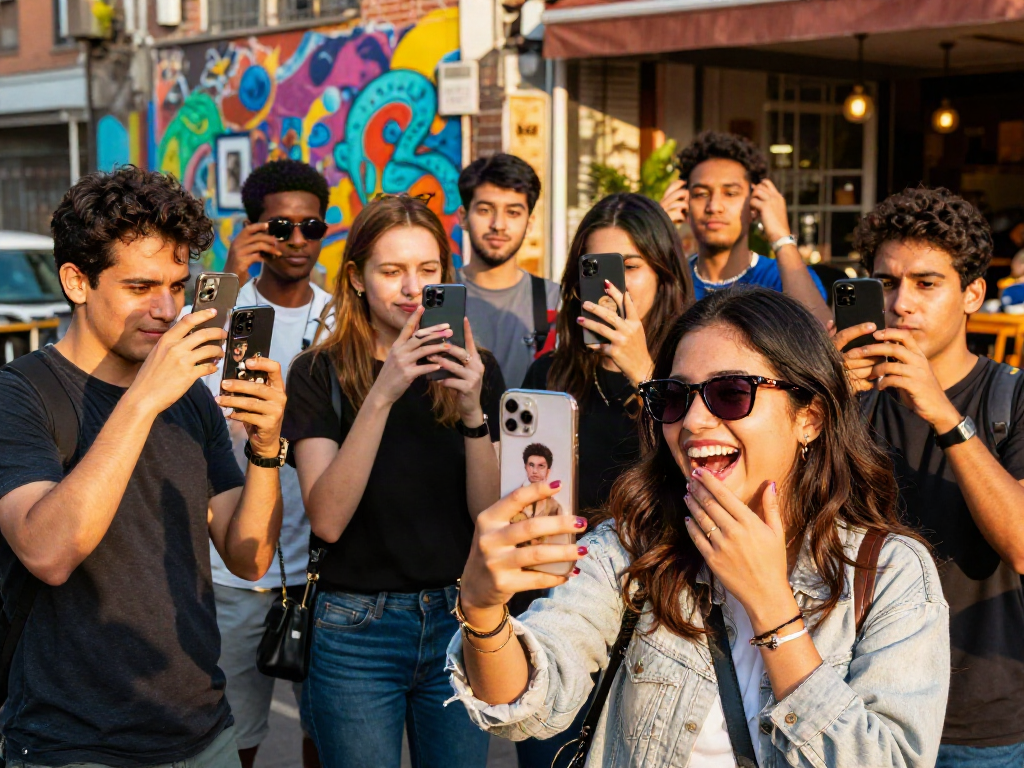
Social media platforms have become a hotbed for sharing look-alike results. Users often post side-by-side images of themselves with their celebrity counterparts, generating buzz and interaction. This phenomenon not only fuels engagement on platforms like Instagram and TikTok but also fosters a sense of community among users who share similar appearances.
Celebrity Image Rights and Public Perception
The use of celebrity likenesses raises important questions about image rights and permission. While many celebrities embrace the idea of being compared to fans, others may view it as an infringement on their personal brand. This dichotomy influences public perception and the ethical landscape surrounding look-alike applications.
How Resemblance Affects Self-Image and Identity
Finding that one resembles a celebrity can significantly impact self-image and identity. For many, it boosts confidence and fosters a sense of connection to the celebrity, while others may feel dissatisfied if the match is less favorable. These emotional nuances underline the importance of understanding the psychological implications of using look-alike technology.
Challenges in Identifying Celebrity Look-Alikes
While the technology behind celebrity look-alikes is impressive, several challenges persist, complicating its effectiveness and user experience.
Common Misconceptions About Look-Alike Apps
Many users mistakenly believe that these apps provide definitive matches, akin to a DNA test. In reality, matches are based on algorithms and may vary in accuracy. This misconception can lead to disappointment and misunderstanding about the technology's capabilities.
Facial Features and Cultural Differences
Facial recognition technology often struggles with cultural diversity, leading to biases in the matching process. Some users may find that they do not receive accurate matches due to the limited representation within the celebrity database, which predominantly features Western celebrities. This limitation highlights the need for greater inclusivity in future developments of these applications.
Privacy Concerns and Data Security
As with many technological advancements, privacy concerns loom large. Users must be cautious about sharing personal data when uploading images. Look-alike apps need to ensure robust data protection measures are in place to safeguard user privacy and prevent unauthorized access to sensitive information.
The Future of Celebrity Look-Alike Technology
Looking ahead, the future of celebrity look-alike technology appears promising, driven by innovations and evolving user expectations.
Emerging Trends for 2027 and Beyond
As the technology continues to evolve, we can expect to see more personalized experiences in celebrity look-alike applications. This may include features that allow users to refine their search based on specific criteria, such as hair color or age, resulting in more tailored matches.
Potential New Features and Innovations
Future developments may introduce augmented reality (AR) capabilities, allowing users to superimpose celebrity faces onto their images in real time. This feature could revolutionize the user experience, making it more interactive and engaging.
Expert Predictions on Market Growth
Industry experts predict that the demand for celebrity look-alike technology will continue to rise. With the increasing integration of AI and machine learning, the market is expected to expand significantly, catering not just to entertainment but also to marketing and branding efforts.
Frequently Asked Questions
As interest in celebrity look-alike technology grows, so too do the questions surrounding it. Here are some of the most common inquiries:
What is the best celebrity look-alike app?
The best app depends on user preferences, but popular options include StarByFace, Media.io, and Celebs, each offering unique features and user experiences.
How accurate are celebrity look-alike matches?
While accuracy can vary, many applications claim a high success rate. However, expectations should be managed as these are algorithms, not exact science.
Are there privacy risks with these apps?
Yes, users should be aware of privacy policies and ensure that their data is handled securely to mitigate any risks associated with personal information exposure.
Can I appeal a match I don't agree with?
Most apps do not offer an appeal process for matches, as they are algorithmically determined. However, users can provide feedback to improve the system based on their experiences.
Why do people want to know who they look like?
For many, identifying with a celebrity can enhance self-esteem, foster a sense of belonging, or simply provide entertainment. The desire to connect with well-known figures drives the popularity of these applications.