Understanding Engineered Composites in Manufacturing
Engineered composites, particularly Glass Reinforced Plastic (GRP), have become integral in modern manufacturing across multiple industries. With the growing demand for materials that offer strength and durability while minimizing weight, GRP stands out as a versatile solution. Engineered Composites has emerged as a pivotal player in this field, supplying robust GRP products that cater to various sectors, including marine, construction, and infrastructure.
What are Engineered Composites?
Engineered composites are advanced materials composed of two or more constituent materials with significantly different physical or chemical properties. The combination yields a synergistic effect, resulting in superior performance than each material alone. GRP is a prime example, where glass fibers are combined with a resin matrix to create a lightweight, corrosion-resistant material that exhibits high tensile strength and durability.
The Role of GRP in Modern Industries
In the context of industrial applications, GRP serves multiple roles. It is utilized in the construction of walkways, handrails, and fencing systems due to its resilience against environmental factors. Moreover, its non-conductive properties make GRP ideal for electrical and telecommunications installations. As industries seek sustainable materials, the lightweight nature and longevity of GRP enhance its appeal, making it a popular choice for both structural and aesthetic applications.
Key Industries Benefiting from Engineered Composites
- Construction: GRP is widely used for scaffolding, decking, and support structures, where its strength-to-weight ratio provides significant advantages.
- Marine: The marine industry leverages GRP for boat hulls and components exposed to corrosive saltwater environments, ensuring longevity and low maintenance costs.
- Telecommunications: GRP's non-conductive nature allows for safe installations in electrical and data cabling applications.
- Transport Infrastructure: GRP products are utilized in pedestrian walkways and bridges, offering safety and durability in public spaces.
Advantages of GRP Products
Comparative Strength and Weight Benefits
One of the standout features of GRP is its remarkable strength compared to its weight. GRP can be up to 70% lighter than steel, allowing for easier handling and installation without compromising structural integrity. This makes it particularly advantageous in sectors where weight reduction is paramount.
Corrosion Resistance and Durability
GRP products are inherently resistant to corrosion, making them suitable for applications in harsh environments, such as chemical processing and marine applications. Unlike traditional materials that might succumb to rust and degradation, GRP maintains its performance and aesthetic appeal over time, significantly reducing lifecycle costs associated with replacements and repairs.
Cost-Effectiveness and Maintenance Considerations
With minimal maintenance requirements, GRP offers a cost-effective alternative to traditional building materials. There is no need for painting, galvanizing, or regular chemical treatments, allowing for substantial savings over the service life of the product, which often exceeds 50 years.
Quality Assurance in GRP Manufacturing
ISO Certifications and Compliance Standards
At Engineered Composites, quality assurance is paramount. The company adheres to strict ISO 9001 quality management standards. This commitment ensures that all GRP products meet or exceed relevant performance and safety regulations, providing clients with peace of mind in their investment.
Testing Procedures for GRP Products
Engineered Composites employs rigorous testing procedures that validate the performance characteristics of their GRP products. These tests include tensile strength assessments, fire resistance evaluations, and long-term durability studies to ensure compliance with BS EN 13706 standards.
Customer Feedback and Performance Metrics
Consistent positive feedback from clients reflects the high standards maintained by Engineered Composites. Their commitment to customer service is illustrated through prompt quote responses and next-day delivery options across the UK.
Applications of Engineered Composites Across Sectors
Structural Applications and Load-Bearing Uses
GRP is not just a lightweight alternative; it is also suitable for structural applications. Products like GRP beams and channels offer impressive load-bearing capabilities, making them ideal for commercial and industrial projects. Compliance with BS EN 13706 E23 grade ensures their reliability in load-bearing scenarios.
Outdoor Suitability and Environmental Resistance
Designed to withstand the elements, GRP products are UV-stabilized and resistant to water and salt exposure. This makes them an excellent choice for outdoor applications, including walkways and fencing in marine and utility environments, where other materials would deteriorate quickly.
Innovative Designs and Custom Solutions
With the ability to create tailored solutions, Engineered Composites excels in delivering custom GRP products that meet specific project requirements. Their in-house design capabilities enable them to work closely with clients, ensuring that the unique challenges of each project are addressed effectively.
The Future of Engineered Composites: Trends and Insights
Emerging Technologies in GRP Manufacturing
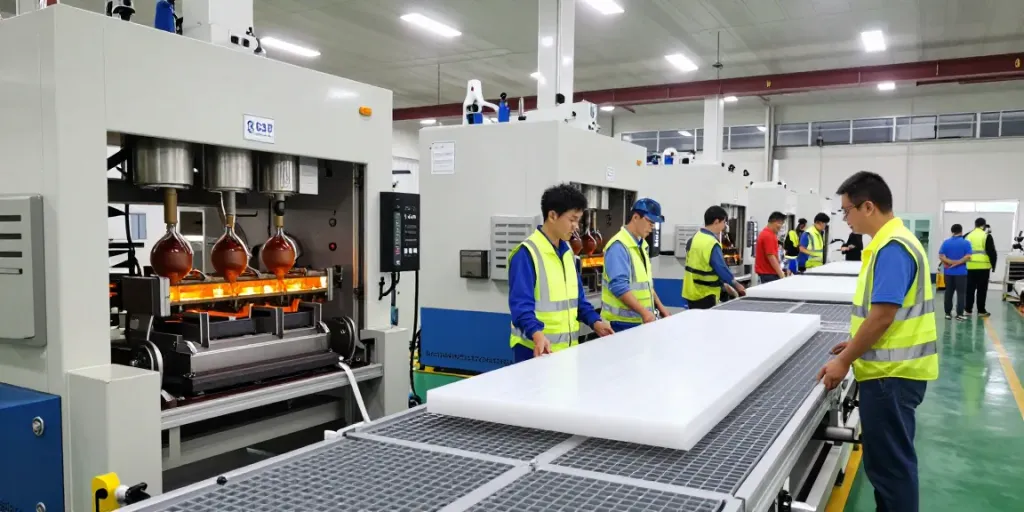
The landscape of GRP manufacturing is rapidly evolving, harnessing advancements in technology to improve efficiency and performance. The adoption of automation and precision engineering techniques is expected to streamline production processes and enhance product qualities further.
Sustainability and Recyclability Initiatives
As sustainability becomes an increasingly critical consideration in manufacturing, GRP products' recyclability and low environmental impact are gaining attention. Engineered Composites is committed to sustainable practices, ensuring that their products can be repurposed at the end of their service life, aligning with modern environmental standards.
Predictions for Market Growth and Development
Industry experts predict a significant growth trajectory for GRP products, driven by the ongoing shift towards sustainable building materials and the continuous expansion of applications in emerging markets. As industries increasingly prioritize lightweight and durable materials, the demand for innovative GRP solutions is likely to rise.
How to Request a Quotation for GRP Products?
For clients looking to procure GRP products, requesting a quotation is streamlined and user-friendly. Interested parties can either call Engineered Composites directly or fill out an online inquiry form to receive fast and no-obligation quotes tailored to their needs.
What Maintenance Do GRP Products Require?
Maintenance for GRP products is minimal. Occasional cleaning with mild detergents is sufficient to maintain their appearance and functionality. The absence of rust and corrosion means that there is no requirement for protective coatings or treatments.
Are Engineered Composites Compliant with Safety Regulations?
Engineered Composites’ GRP products are rigorously tested to ensure compliance with both UK and international safety regulations. Their commitment to quality means that every product meets or exceeds necessary standards for structural performance, fire safety, and durability.