The Role of CNC Machining in Aerospace Manufacturing
CNC machining plays an essential role in the aerospace industry, where precision is paramount. As a leading method for producing intricate components, it combines sophisticated technology with skilled engineering to manufacture parts that meet the rigorous demands of aviation. This article delves into the intricate processes of leading aerospace cnc parts manufacturers, addressing how they leverage CNC machining to drive innovation while ensuring the highest standards of quality and safety.
Understanding CNC Machining Technologies
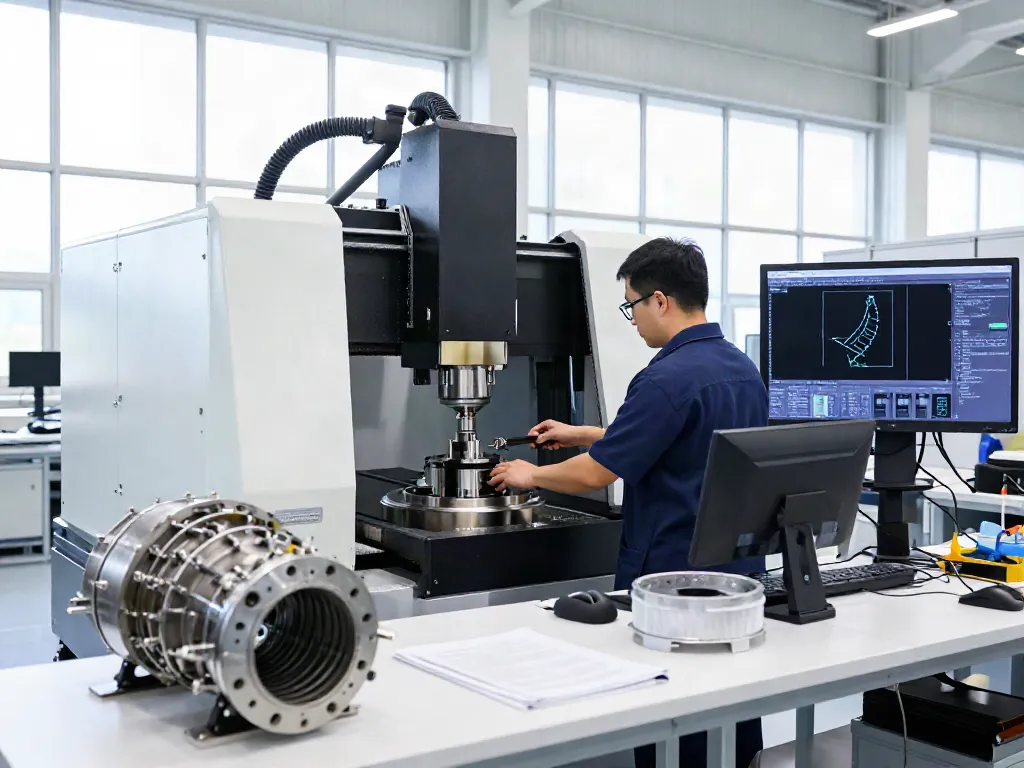
CNC, or Computer Numerical Control machining, utilizes computer software to control machine tools with high precision. Numerous technologies fall under this umbrella, including CNC milling, turning, and laser cutting. Each technology has its unique applications within aerospace manufacturing, allowing for the production of parts ranging from engine components to structural elements of aircraft.
- CNC Milling: Often used for creating complex parts, CNC milling permits precise cutting and shaping of materials, making it ideal for intricate aerospace components.
- CNC Turning: This technique is particularly effective for cylindrical parts, where rotating workpieces can be shaped with precision.
- Laser Cutting: This method provides a highly accurate means of cutting through various materials, essential for producing lightweight and durable aerospace components.
Key Advantages of Precision Machining for Aerospace
The aerospace industry is highly competitive, with manufacturers continuously searching for methods to enhance efficiency and reduce costs. CNC machining provides several advantages, including:
- High Precision: CNC machines can achieve tolerances as tight as ±0.001 inches, ensuring that parts fit correctly and function reliably.
- Repeatability: Once a design is programmed into the CNC machine, it can produce identical parts without variation, which is critical for safety in aerospace applications.
- Material Versatility: CNC machining can work with a variety of materials, including metals like titanium and aluminum, as well as advanced composites that are essential in modern aerospace manufacturing.
Common Challenges in Aerospace CNC Machining
Despite the advantages, the aerospace sector faces several challenges with CNC machining, such as:
- Material Costs: High-quality materials frequently used in aerospace applications can be expensive, impacting overall production costs.
- Tool Wear: Due to the hardness of aerospace materials, tools can wear down quickly, requiring frequent replacements to maintain precision.
- Complex Designs: The need for complex geometries and lightweight components can pose challenges for machining processes, requiring advanced technology and skilled operators.
Material Selection for Aerospace CNC Parts
The choice of materials plays a critical role in the performance and safety of aerospace components. Understanding which materials to use is vital for manufacturers looking to balance cost, weight, and performance.
Overview of Metal Materials Used in Aerospace Manufacturing
Metal materials are predominant in aerospace applications due to their strength-to-weight ratio and other favorable properties. Some of the most commonly used metals include:
- Aluminum: Lightweight and corrosion-resistant, aluminum is widely used in aircraft structures.
- Titanium: Known for its high strength and temperature resistance, titanium is crucial in engine components and other high-stress applications.
- Stainless Steel: Used for its durability and corrosion resistance, stainless steel parts are often found in landing gear and other critical components.
Common Plastic Materials in Aerospace Applications
In addition to metals, various plastics are utilized in aerospace manufacturing for non-structural applications. These materials include:
- Polypropylene (PP): Commonly used for lightweight components due to its excellent chemical resistance.
- Polycarbonate (PC): Known for its toughness and optical clarity, making it suitable for cockpit canopies and other visibility components.
- Polyetheretherketone (PEEK): This high-performance plastic is favored in high-temperature aerospace applications due to its remarkable mechanical and chemical resistance.
How Material Choice Affects Performance and Costs
Choosing the right material influences not only the performance of aerospace parts but also manufacturing costs and timelines. High-performance materials may require advanced machining techniques and tooling, which can increase production costs but yield greater reliability and safety in critical applications.
Rapid Prototyping and Production Techniques
Rapid prototyping has revolutionized the way aerospace components are designed and manufactured, allowing for quicker iterations and testing of new designs. This section explores the importance of rapid prototyping in aerospace.
The Importance of Rapid Prototyping in Aerospace
In aerospace manufacturing, rapid prototyping enables engineers to create functional prototypes in a fraction of the time traditionally required, facilitating faster design validation and iterative testing. This speed is crucial for meeting tight schedules and adapting to market demands.
Steps Involved in On-Demand Production
The on-demand production process involves several key steps:
- Design Development: Engineers create and finalize part designs using 3D modeling software.
- Prototype Fabrication: Rapid prototyping techniques, such as 3D printing or CNC machining, are employed to produce initial models for testing.
- Testing and Validation: Prototypes undergo rigorous testing to ensure they meet all performance and safety requirements.
- Production Readiness: Once validated, the design is prepared for mass production, optimizing the manufacturing process for efficiency.
Case Studies of Successful Aerospace Prototyping Projects
Several aerospace companies have leveraged rapid prototyping with great success. For instance, Boeing has implemented 3D printing to produce lightweight components for their aircraft, significantly reducing lead times and manufacturing costs. Similarly, NASA has used rapid prototyping techniques to develop parts for the Space Launch System, streamlining production and enhancing design flexibility.
Quality Assurance in Aerospace CNC Machining
Quality assurance is non-negotiable in aerospace manufacturing, where the stakes of safety and performance are incredibly high. This section discusses the essential components of quality control in CNC machining.
Compliance Standards and Certifications
Aerospace manufacturers must comply with strict regulations and standards such as AS9100 and ISO9001. These certifications ensure that processes and products meet international quality standards, providing assurance to clients about the reliability and safety of components produced.
Quality Control Processes in Aerospace Manufacturing
Quality control in aerospace CNC machining involves multiple levels of inspection:
- Incoming Material Inspection: Materials are thoroughly inspected before being used in production to ensure they meet specified standards.
- In-Process Inspection: CNC machines are monitored during production to catch any deviations from the design specifications in real-time.
- Final Inspection: Completed parts undergo a rigorous inspection process, often including non-destructive testing methods, to verify their quality before delivery.
Impact of Quality on Safety and Reliability
The consequences of quality lapses in aerospace manufacturing can be catastrophic. Therefore, manufacturers must prioritize quality throughout production, using advanced technologies and methodologies to ensure the highest safety standards.
Future Trends in Aerospace CNC Manufacturing
The aerospace industry is continuously evolving, and CNC manufacturers must adapt to new technologies and practices. This section outlines emerging trends that are shaping the future of aerospace manufacturing.
Emerging Technologies and Innovations for 2026
In 2026, we expect to see advanced CNC machining technologies such as:
- AI and Machine Learning: These technologies will optimize machining processes and predictive maintenance, enhancing productivity.
- Advanced Materials: New composites and alloys that provide greater strength and reduced weight will emerge, necessitating advancements in machining techniques.
- Automation: Automated CNC machines will become more prevalent, streamlining workflows and reducing the need for manual intervention.
Sustainable Practices in Aerospace Manufacturing
Sustainability is becoming a focal point for aerospace manufacturing. Companies are exploring eco-friendly materials, energy-efficient processes, and waste reduction strategies, aiming to minimize their environmental impact while still meeting performance standards.
Predictions for the CNC Machining Market in Aerospace
Experts project that the global market for aerospace CNC machining will continue to grow, driven by increasing demand for lightweight, reliable components in new aircraft designs. Manufacturers that embrace innovation and sustainability will likely lead in market share and brand reputation.
What Are the Top CNC Manufacturers for Aerospace?
Many companies are recognized for their excellence in aerospace CNC machining, including industry leaders who combine innovative technologies with exceptional craftsmanship.
How to Choose a Reliable Aerospace CNC Parts Manufacturer?
Selecting the right CNC manufacturer requires businesses to evaluate factors such as certification status, experience with aerospace projects, technological capabilities, and customer reviews to ensure they partner with a reliable supplier.
What Are Common Applications for Aerospace CNC Parts?
Aerospace CNC parts have a wide range of applications, from components within engines and landing gear to instruments used in cockpit dashboards, showcasing their critical role in aviation safety and performance.